
Table of Contents
ToggleConsole gaming has shaped how millions of people play video games since the 1970s. Players use dedicated hardware systems connected to televisions or monitors to run games designed specifically for that platform. This approach differs from PC gaming or mobile gaming in several key ways.
Whether someone wants to understand what console gaming offers or plans to buy their first system, this guide covers everything they need to know. From basic concepts to comparisons with other platforms, readers will learn how console gaming works and why it remains popular among casual and serious gamers alike.
Key Takeaways
- Console gaming uses dedicated hardware systems connected to TVs or monitors to play video games designed specifically for that platform.
- Modern consoles from Sony, Microsoft, and Nintendo offer unique game libraries, with prices ranging from $300 to $500.
- Console gaming provides a simpler, plug-and-play experience compared to PC gaming, with no need to check system requirements or upgrade parts.
- Exclusive titles like Spider-Man 2, God of War Ragnarök, and Zelda drive players to choose specific console platforms.
- Consoles remain relevant for 7–10 years, offering longer support cycles and consistent performance for all players on the same hardware.
- The living room setup and local multiplayer options make console gaming ideal for families and social play.
Understanding Console Gaming Basics
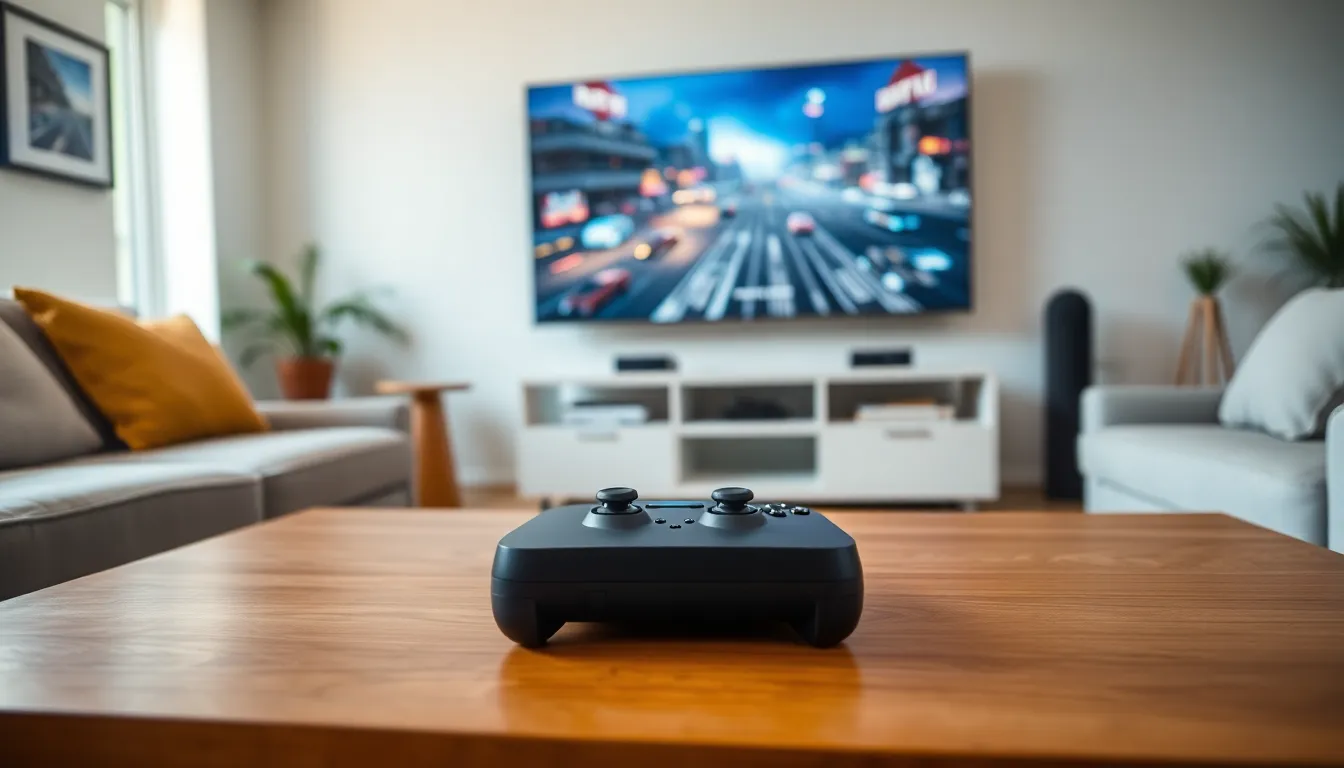
Console gaming refers to playing video games on a specialized device built specifically for that purpose. These devices, called gaming consoles, connect to a display and use controllers for input. Unlike general-purpose computers, consoles focus entirely on running games efficiently.
The term “console” comes from the cabinet-style design of early systems. Today’s consoles are compact boxes that sit under televisions or on entertainment centers. They run games from physical discs, digital downloads, or cloud streaming services.
Every gaming console includes several core components:
- A central processor that handles game logic and calculations
- Graphics hardware that renders visuals on screen
- Storage for saving games and downloaded content
- Controllers for player input
- An operating system that manages everything
Console gaming appeals to players who want a straightforward experience. They buy the hardware, insert a game or download one, and start playing. There’s no need to check system requirements or upgrade individual parts. The manufacturer designs console games to work perfectly on that specific hardware.
How Console Gaming Works
Console gaming follows a simple process. A player powers on their console, selects a game, and starts playing using a controller. Behind the scenes, the console’s hardware reads game data and processes it in real time.
Modern consoles connect to the internet for additional features. Players can download games directly to internal storage, purchase content from digital storefronts, and play with others online. Most console gaming platforms require a subscription service for online multiplayer access.
Game developers create titles specifically for each console’s hardware. This optimization means console games typically run smoothly without the performance tweaking PC gamers often need. When someone buys a game for their PlayStation or Xbox, they know it will work.
Controllers serve as the primary input method for console gaming. Standard controllers include analog sticks, buttons, triggers, and sometimes motion sensors. Some games support alternative inputs like racing wheels, fight sticks, or dance pads.
The console gaming ecosystem also includes:
- Digital storefronts for buying and downloading games
- Subscription services offering game libraries for monthly fees
- Achievement systems that track player accomplishments
- Friend lists and party chat for social features
Popular Gaming Consoles on the Market
Three major companies dominate console gaming today: Sony, Microsoft, and Nintendo. Each offers distinct hardware with unique game libraries and features.
PlayStation 5 leads Sony’s console gaming lineup. It uses a custom SSD for fast loading times and supports 4K gaming at high frame rates. Exclusive titles like Spider-Man 2 and God of War Ragnarök draw many players to this platform.
Xbox Series X represents Microsoft’s most powerful console gaming option. It shares many features with PlayStation 5 but integrates deeply with Game Pass, a subscription service offering hundreds of games. Xbox also emphasizes backward compatibility, letting players enjoy games from previous generations.
Xbox Series S offers a budget-friendly entry into console gaming. It runs the same games as Series X but at lower resolutions and without a disc drive.
Nintendo Switch takes a different approach to console gaming. It functions as both a home console and a portable device. Players can dock it to their TV or take it on the go. Nintendo’s first-party games, Mario, Zelda, Pokémon, remain exclusive to this platform.
Older consoles like PlayStation 4 and Xbox One still have active user bases. Many current games release on both generations, making console gaming accessible at various price points.
Console Gaming vs. PC Gaming
Console gaming and PC gaming each offer distinct advantages. Understanding the differences helps players choose the right platform for their needs.
Cost considerations favor console gaming initially. A current-generation console costs $300 to $500. A comparable gaming PC often requires $800 or more. But, PC games frequently sell at lower prices, and the platform has no online subscription fees for most titles.
Hardware simplicity defines console gaming. Players buy one device that runs all games for that platform. PC gamers must consider graphics cards, processors, RAM, and storage when building or buying systems. Console gaming eliminates these decisions entirely.
Performance typically favors PC gaming at higher budgets. A well-built PC can exceed console graphics and frame rates. But console gaming delivers consistent performance, every player with the same console gets the same experience.
Game libraries differ between platforms. Console gaming offers exclusive titles unavailable on PC. Nintendo games only run on Nintendo hardware. Some PlayStation exclusives eventually reach PC, but often years later. PC gaming has its own exclusives, particularly in strategy and simulation genres.
Social features work differently on each platform. Console gaming builds social tools into the system software. PC gamers often rely on third-party apps like Discord. Both approaches connect players effectively.
Benefits of Choosing a Gaming Console
Console gaming provides several advantages that keep players loyal to the platform. These benefits explain why millions choose consoles even though alternatives.
Ease of use ranks as the top benefit. Console gaming requires minimal technical knowledge. Players connect the system, create an account, and start playing. Updates install automatically. There’s no driver management or compatibility troubleshooting.
Living room experience suits console gaming perfectly. Consoles connect to large televisions and support wireless controllers. Players can sit on couches and play from comfortable distances. This setup works well for groups and families.
Exclusive games drive console purchases. Many critically acclaimed titles only appear on specific platforms. Someone who wants to play The Legend of Zelda: Tears of the Kingdom needs a Nintendo Switch. Console gaming exclusives often represent some of the best games available.
Consistent multiplayer comes from the subscription model. When console gaming players pay for online access, they fund servers and infrastructure. This creates stable online experiences with active player populations.
Longer support cycles benefit console gaming fans. A console remains relevant for seven to ten years. Developers optimize games for that hardware throughout its lifespan. This contrasts with PC gaming, where hardware ages continuously against newer releases.
Couch co-op thrives on consoles. Many console gaming titles support local multiplayer, letting friends play together on one screen. This social gaming style has declined on PC but remains popular on consoles.


