
Table of Contents
ToggleConsole gaming strategies separate casual players from skilled competitors. Whether someone plays first-person shooters, racing games, or RPGs, the right approach makes a significant difference in performance.
Many gamers hit a plateau after months of play. They win some matches, lose others, and feel stuck at the same skill level. The good news? A few targeted changes can break through that ceiling.
This guide covers proven console gaming strategies that work across genres. From controller settings to practice routines, these tips help players level up their gameplay without spending hundreds of hours grinding aimlessly.
Key Takeaways
- Mastering controller settings like sensitivity, dead zones, and button mapping forms the foundation of effective console gaming strategies.
- Game-specific techniques—such as map knowledge for shooters and combo mastery for fighting games—separate average players from skilled competitors.
- Optimizing your gaming environment by enabling Game Mode on your TV can reduce input lag by 30-50 milliseconds.
- Learning from YouTube tutorials, Twitch streams, and community forums accelerates improvement faster than solo practice alone.
- Practicing with purpose through specific goals, gameplay reviews, and warm-up routines builds skills more effectively than mindless grinding.
- Quality focused practice outperforms quantity—two intentional hours beat six distracted ones for leveling up your gameplay.
Master Your Controller Settings
Controller settings affect every action a player takes in a game. Yet most people never touch them. They stick with defaults and wonder why their aim feels sluggish or their movements seem delayed.
Sensitivity sits at the core of console gaming strategies for shooters and action games. A setting too high makes aiming jittery and imprecise. Too low, and players can’t turn fast enough to track enemies. The sweet spot varies by person, but here’s a solid starting point: begin with medium sensitivity, then adjust in small increments until aiming feels natural.
Dead zones matter too. These control how much stick movement the game ignores before registering input. Smaller dead zones create more responsive controls. But, controllers with worn sticks may need larger dead zones to prevent drift.
Button mapping gives players another advantage. Many games allow custom layouts. Placing frequently used actions on easier-to-reach buttons reduces reaction time. Some players remap jump to a bumper so they can aim while moving through the air. Others swap crouch to a stick click for faster slides.
Aim assist exists in most console shooters for a reason. It helps compensate for the precision gap between controllers and mice. Turning it off might feel more “pure,” but using it isn’t cheating, it’s playing smart.
Spend 15-20 minutes testing settings in training modes before jumping into competitive matches. This small investment pays off in better muscle memory and faster reactions.
Develop Game-Specific Techniques
General skills only go so far. Each game has unique mechanics that reward specific console gaming strategies.
Fighting games require combo knowledge and frame data understanding. Players need to know which moves link together and which punish opponent mistakes. Spending time in practice mode with frame data displayed teaches the actual speed of attacks. A move that looks fast might actually be slower than it appears.
Shooters demand map knowledge above almost everything else. Knowing spawn points, sightlines, and flank routes separates average players from strong ones. Watch how top players move through maps. They check specific angles, pre-aim common spots, and rarely get caught off guard.
Racing games reward learning braking points and racing lines. The fastest path around a track isn’t always obvious. Hitting the apex of each corner while carrying maximum speed takes practice. Turn off driving assists gradually as skills improve, they help beginners but limit top speed for experienced drivers.
RPGs and strategy games benefit from build optimization. Understanding stat interactions, equipment synergies, and skill trees lets players create powerful characters. Reading guides helps, but testing different setups provides practical knowledge that sticks.
Pick one technique per week and focus on it. Trying to improve everything at once leads to scattered progress. Focused practice on a single skill builds competence faster.
Optimize Your Gaming Environment
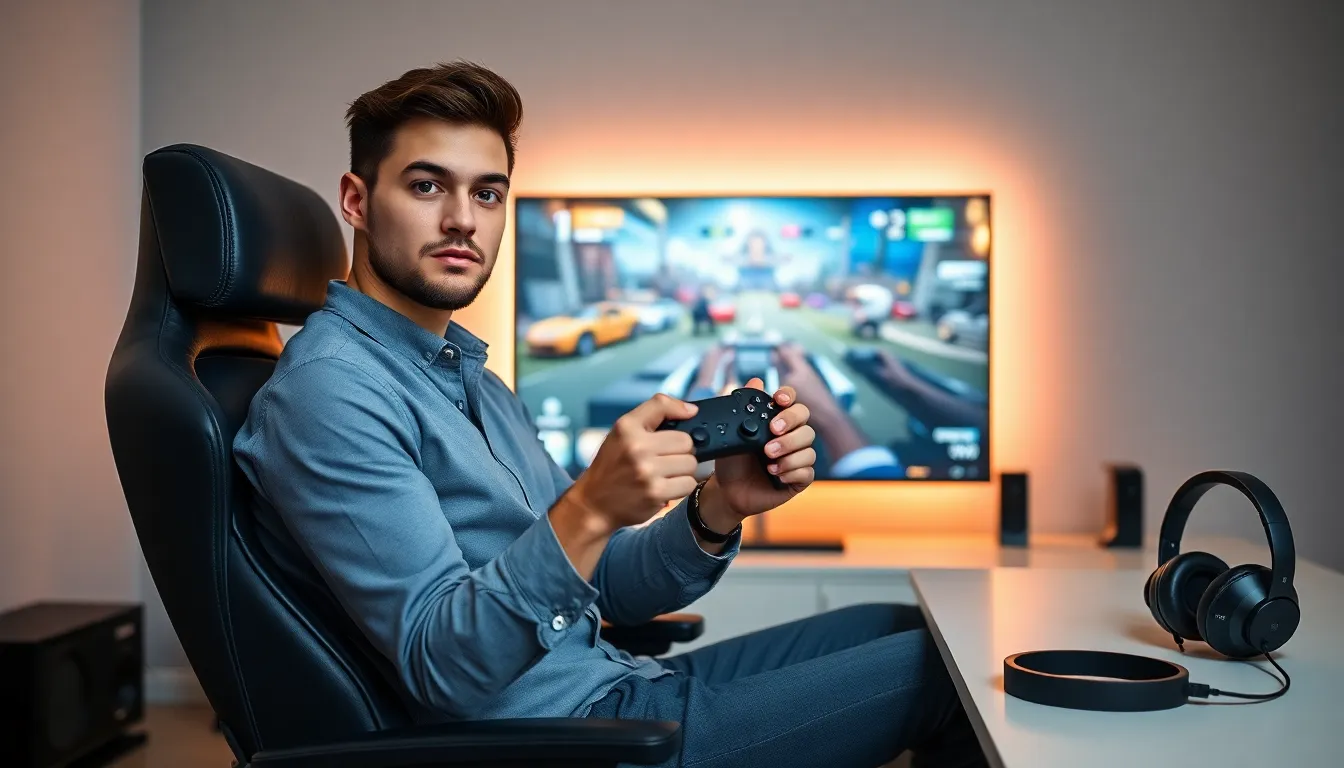
Physical setup influences performance more than many realize. Console gaming strategies extend beyond the screen.
TV settings cause input lag when configured for movies instead of games. Most modern TVs have a “Game Mode” that reduces processing delay. This single change can shave 30-50 milliseconds off response time. That gap determines whether a shot lands or misses in fast-paced games.
Seating position affects comfort during long sessions. Players should sit at a distance where the entire screen stays visible without eye strain. Arms should rest comfortably, and the controller should be held at a natural angle. Poor posture leads to fatigue, and tired players make more mistakes.
Lighting conditions impact visibility. Glare on the screen hides details. Playing in complete darkness causes eye strain. Soft ambient lighting behind the TV reduces contrast and keeps eyes fresh.
Audio setup provides crucial information in many games. Footsteps reveal enemy positions. Engine sounds signal approaching vehicles. A decent headset with stereo or surround sound gives players an awareness advantage over those using TV speakers.
Internet connection quality matters for online play. Wired connections beat WiFi for stability. If wireless is the only option, playing closer to the router and reducing interference from other devices helps. High ping and packet loss ruin even the best console gaming strategies.
Learn From the Community
Solo practice has limits. The gaming community offers resources that accelerate improvement.
YouTube tutorials break down advanced techniques with visual demonstrations. Searching for “[game name] tips” or “[game name] advanced guide” surfaces content from experienced players. Watching how they approach situations reveals strategies that might take months to discover alone.
Twitch streams show high-level play in real time. Viewers can ask questions in chat and see how top players react to different scenarios. Pay attention to decision-making, not just mechanical skill. Why did they push at that moment? Why did they retreat?
Reddit communities and Discord servers connect players with others at similar skill levels. Finding practice partners or teams helps develop teamwork skills and provides feedback on mistakes. Other players notice habits that individuals miss.
Game-specific forums contain detailed discussions about console gaming strategies, tier lists, and meta shifts. These resources stay more current than most YouTube videos because community members update them regularly.
Be selective about advice. Not every tip works for every playstyle. Test suggestions before adopting them fully. What works for a professional player might not suit someone with different strengths and reaction times.
Practice With Purpose
Time spent playing doesn’t equal time spent improving. Mindless grinding reinforces bad habits as easily as good ones.
Effective console gaming strategies include structured practice sessions. Set specific goals before playing. “I want to improve my headshot percentage” gives direction. “I want to get better” doesn’t.
Review gameplay footage when possible. Most consoles can capture clips. Watching deaths and losses reveals patterns. Maybe certain situations repeatedly cause problems. Identifying these patterns is the first step toward fixing them.
Warm-up routines prepare players for competitive matches. Jumping straight into ranked games with cold hands and an unfocused mind leads to early losses. Spend 10-15 minutes in practice modes or casual matches first.
Take breaks when frustration builds. Tilted players make poor decisions and develop bad muscle memory. Walking away for 15 minutes often leads to better performance than pushing through anger.
Track progress over time. Note current rank, win rate, or other measurable stats. Check them weekly or monthly. Improvement happens slowly, and tracking provides motivation when progress feels invisible.
Quality practice beats quantity. Two focused hours outperform six distracted ones. The best console gaming strategies mean nothing without intentional application.


