
Table of Contents
ToggleThe MMORPG genre needs a shake-up. Players have spent years grinding through the same fantasy kingdoms, fighting the same dragons, and watching the same fetch quests repeat across different games. Fresh MMORPG ideas could transform how millions experience online worlds together.
Developers face a challenge: create something new without abandoning what makes these games special. The answer lies in rethinking core systems, from how worlds function to how players interact with each other. This article explores MMORPG ideas that could define the next generation of online gaming, covering world-building, economies, combat, and social features that actually matter.
Key Takeaways
- Fresh MMORPG ideas should focus on procedurally evolving worlds where player actions permanently shape the environment, history, and lore.
- Player-driven economies with true scarcity, crafting monopolies, and political systems give players real stakes and transform them into stakeholders.
- Skill-based combat and horizontal progression paths keep gameplay engaging longer than traditional gear-grinding systems.
- Social features like mentorship rewards, meaningful guild housing, and cross-server reputation systems foster stronger communities and reduce toxicity.
- The next generation of MMORPGs will succeed by rethinking core systems rather than recycling the same fantasy themes and fetch quests.
Innovative World-Building Concepts
Most MMORPGs drop players into static environments. Towns stay the same. Dungeons reset. The world exists in a permanent state of controlled chaos. But what if MMORPG ideas pushed beyond this limitation?
Procedurally Evolving Continents
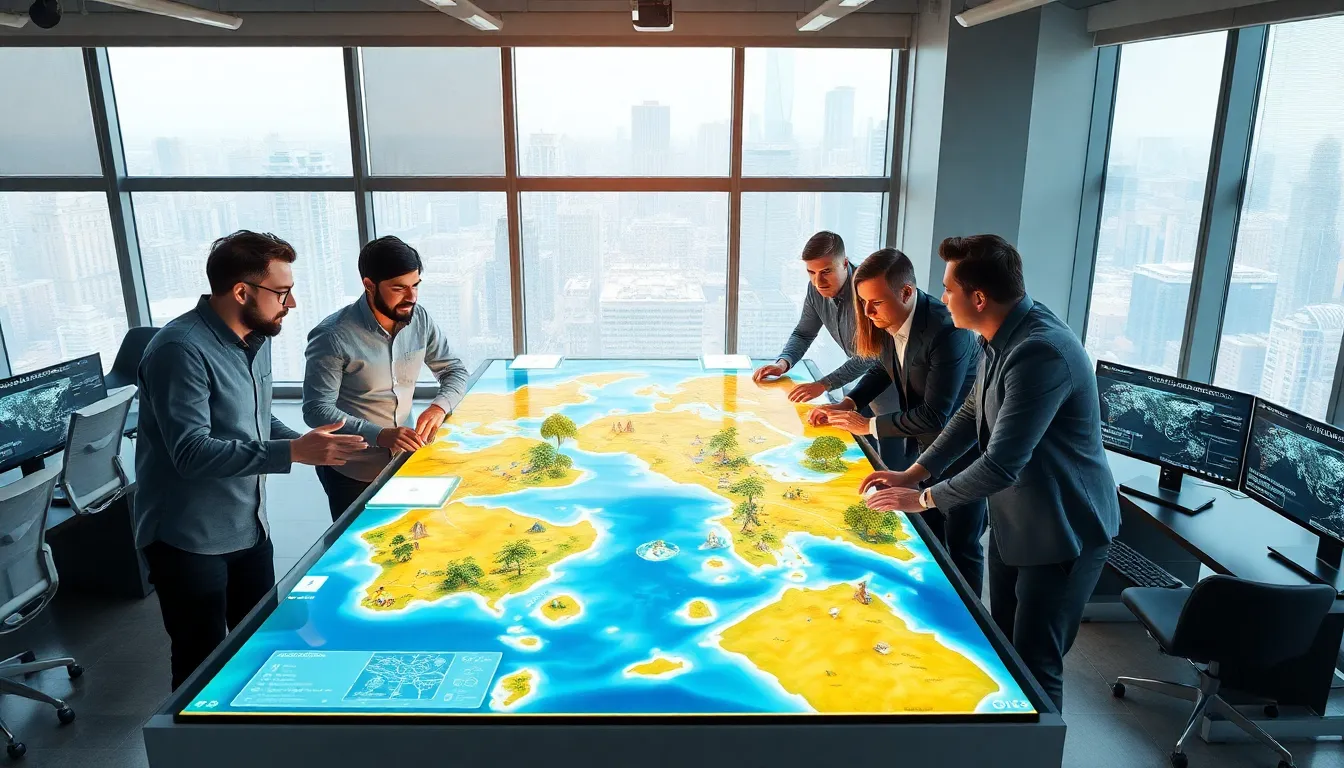
Imagine a game world that changes based on collective player actions. If players over-harvest a forest, it shrinks. If they neglect a region, monsters take over. Seasons shift resources and open new areas. This approach gives players real stakes in their environment.
Living History Systems
The best MMORPG ideas treat server history as content. Major guild battles become monuments. Player achievements write themselves into NPC dialogue. A server where players defeated a world boss differently than another server develops its own unique lore.
Multi-Layer Realities
Some games have explored parallel dimensions, but few commit fully. An MMORPG could feature an overworld, an underworld, and a spirit realm, all existing simultaneously. Actions in one layer affect the others. A city thriving above ground might sit atop a dungeon that grows stronger as the city prospers.
These MMORPG ideas create worlds that feel alive rather than staged. Players become participants in an ongoing story rather than tourists passing through scripted events.
Player-Driven Economy and Politics
Eve Online proved players will engage deeply with economic and political systems. Yet most MMORPGs ignore this potential. Strong MMORPG ideas should place real power in player hands.
True Crafting Monopolies
What if certain rare recipes could only exist once per server? A blacksmith who discovers a legendary blade pattern becomes the only source. This creates natural economic relationships and gives crafters celebrity status.
Political Structures with Teeth
Guilds could govern territories with actual rule-making power. They set taxes, control resource access, and establish laws. Other players must follow these rules or face consequences, or organize rebellions. These MMORPG ideas turn social dynamics into gameplay.
Resource Scarcity That Matters
Many games flood markets with materials. A smarter approach limits total resources. Mining depletes veins permanently. Hunting reduces animal populations. This scarcity forces trade, negotiation, and sometimes conflict between player groups.
Dynamic Trade Routes
MMORPG ideas could include physical trade caravans that players escort or raid. Prices fluctuate based on supply chains. A guild controlling a mountain pass controls commerce. Geography becomes strategy.
These systems transform players from consumers into stakeholders. They log in not just to level up but to participate in something larger.
Revolutionary Combat and Progression Systems
Tab-targeting had its era. Action combat improved things. But MMORPG ideas for combat still have room to grow.
Skill-Based Abilities Over Stats
What if player skill mattered more than gear score? A system where dodging requires actual timing, where combos depend on player input rather than cooldown rotations. This keeps combat engaging at any level.
Horizontal Progression Paths
Vertical progression (bigger numbers, better gear) eventually hits ceilings. MMORPG ideas could focus on lateral growth instead. Players unlock new playstyles, not just stronger versions of the same playstyle. A max-level character keeps finding new ways to play rather than grinding incrementally better equipment.
Environmental Combat Integration
Battles should use their surroundings. Collapse tunnels on enemies. Lure monsters into traps. Fight differently in rain versus sunshine. These MMORPG ideas make encounters feel distinct rather than formulaic.
Consequence-Based Progression
Choices could permanently alter characters. A warrior who drinks dragon blood gains fire resistance but becomes vulnerable to cold, forever. These decisions create unique builds and give progression weight beyond numbers.
Combat and progression define how players spend their time. MMORPG ideas that refresh these systems could retain players for years.
Social Features That Foster Community
MMORPGs are social games, yet many treat social features as afterthoughts. The best MMORPG ideas recognize that connections between players drive long-term engagement.
Mentorship With Rewards
Veteran players could gain meaningful benefits for helping newcomers. Not just achievement badges, but exclusive content unlocked through teaching. This creates positive interactions and reduces toxicity.
Guild Housing That Matters
Guild halls should offer gameplay advantages. Research facilities unlock new abilities. Training grounds buff members. Taverns attract NPC questgivers. These MMORPG ideas give guilds reasons to invest in shared spaces.
Cross-Server Reputation
A player’s behavior should follow them. Someone known for scamming traders carries that reputation. Helpful players earn trust that opens opportunities. This system encourages positive behavior without heavy-handed moderation.
Asymmetric Multiplayer Events
Not everyone wants the same experience. MMORPG ideas could include events where some players take monster roles while others defend. Casual players handle support tasks while hardcore players lead charges. Everyone contributes according to their preference.
Organic Social Spaces
Games need reasons for players to gather beyond auction houses. Gambling dens, performance stages, debate halls, spaces that encourage hanging out. The friendships formed in these spaces keep players subscribed.


