
Table of Contents
ToggleAn MMORPG offers players a chance to explore vast digital worlds alongside thousands of others. These games combine role-playing mechanics with persistent online environments, creating experiences that can last months or even years. Whether someone is a veteran gamer or just curious about the genre, understanding what makes MMORPGs tick helps in finding the right fit.
This guide breaks down the essentials. It covers what defines an MMORPG, the features that set these games apart, popular titles worth checking out, and how to pick one that matches individual preferences.
Key Takeaways
- An MMORPG is a Massively Multiplayer Online Role-Playing Game where thousands of players interact in persistent, shared virtual worlds.
- Core MMORPG features include character progression, questing, social systems like guilds, endgame content, player-driven economies, and deep customization.
- Popular MMORPGs worth exploring include World of Warcraft, Final Fantasy XIV, Guild Wars 2, The Elder Scrolls Online, Lost Ark, and New World.
- Choose the right MMORPG by evaluating your available time, preferred combat style, payment model tolerance, and the game’s community reputation.
- Always try free trials before committing to an MMORPG—personal enjoyment matters more than popularity rankings.
What Is an MMORPG?
MMORPG stands for Massively Multiplayer Online Role-Playing Game. The term describes a specific type of video game where large numbers of players interact within a shared virtual space. Unlike single-player RPGs, an MMORPG requires an internet connection and hosts thousands, sometimes millions, of players on its servers.
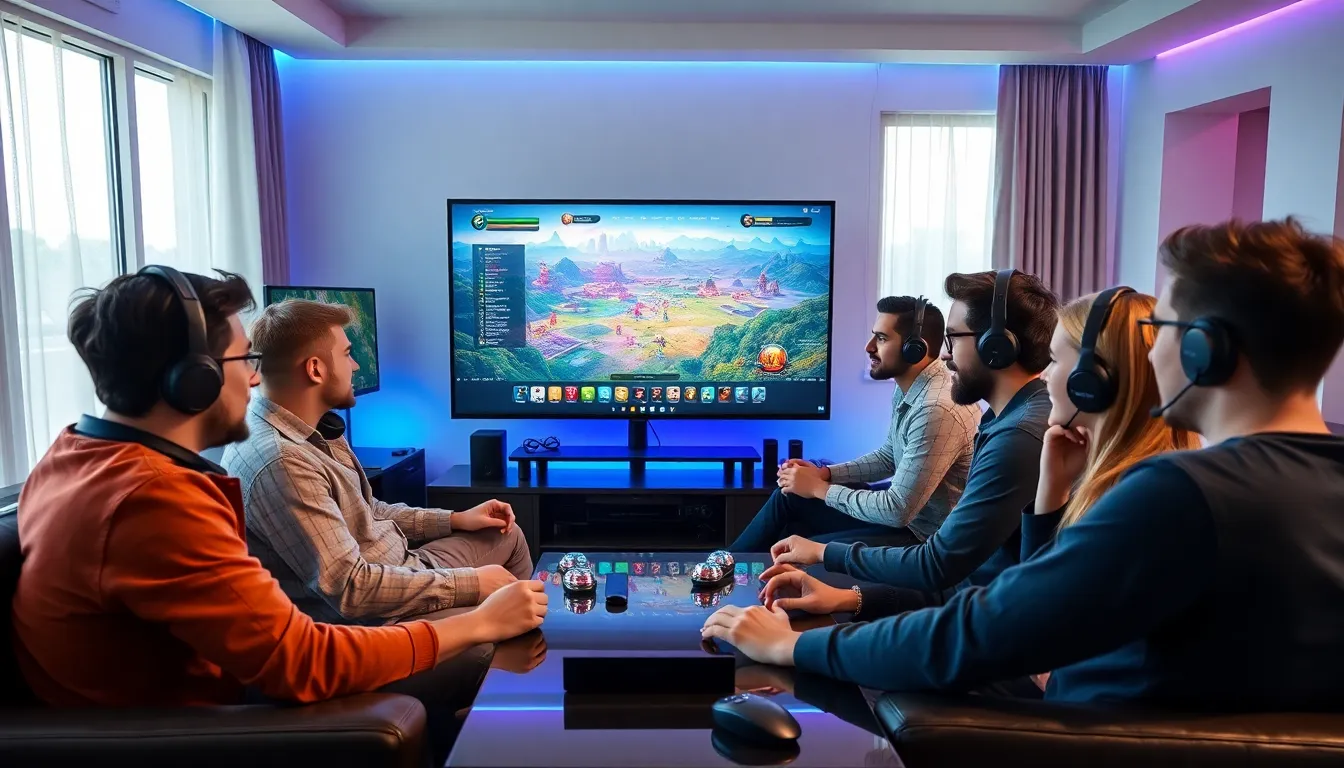
The “massively multiplayer” part is key. Players don’t just see a handful of others. They encounter entire communities going about their in-game business: trading items, forming guilds, battling monsters, and completing quests. This social element separates the MMORPG experience from traditional role-playing games.
The “role-playing” component means players create characters and develop them over time. Characters gain experience points, level up, learn new abilities, and acquire better gear. Most MMORPGs let players choose classes, like warrior, mage, or healer, that determine their role in group content.
These games feature persistent worlds. When a player logs off, the game continues. Other players keep adventuring, the in-game economy keeps moving, and events unfold. This creates a living, breathing universe that feels dynamic rather than static.
MMORPGs have been around since the late 1990s, with titles like Ultima Online and EverQuest laying the groundwork. World of Warcraft, released in 2004, brought the MMORPG genre into mainstream gaming culture. Today, dozens of MMORPGs compete for attention across PC, console, and mobile platforms.
Key Features That Define the Genre
Several core features distinguish an MMORPG from other online games.
Character Progression
Progression sits at the heart of every MMORPG. Players start with weak characters and build them into powerful heroes. This happens through leveling systems, skill trees, and gear upgrades. The journey from newbie to endgame veteran can take hundreds of hours, and that’s part of the appeal.
Questing and Storytelling
Quests drive players through the game’s content. Main story quests advance the plot, while side quests offer additional rewards and lore. Good MMORPGs weave compelling narratives that make players care about the world and its inhabitants. Some games use voice acting and cinematic cutscenes to enhance storytelling.
Social Systems
Guilds, parties, and chat systems encourage cooperation. An MMORPG thrives on player interaction. Forming alliances, joining guilds, and participating in group activities create bonds that keep people coming back. Many players say their guild friendships are the main reason they stick with a particular MMORPG.
Endgame Content
Once players hit max level, endgame content provides ongoing challenges. Raids, dungeons, player-versus-player (PvP) battlegrounds, and seasonal events give veterans something to chase. A strong endgame keeps an MMORPG population healthy long after launch.
Economy and Trading
Most MMORPGs feature player-driven economies. Players craft items, harvest resources, and sell goods to each other. Auction houses and trading posts help commerce. Some players enjoy the economic game as much as combat.
Customization
Character customization extends beyond stats. Players personalize appearances through cosmetic gear, mounts, pets, and housing systems. This self-expression adds personality to characters and gives players goals beyond pure power.
Popular MMORPGs Worth Playing
The MMORPG market offers something for nearly every taste. Here are several titles that consistently attract large player bases.
World of Warcraft
World of Warcraft remains the benchmark for the genre. Blizzard’s flagship MMORPG has evolved through multiple expansions since 2004. It offers polished gameplay, extensive lore, and a massive community. The subscription model means ongoing content updates.
Final Fantasy XIV
Square Enix’s Final Fantasy XIV has become a major competitor. Its story-driven approach appeals to fans of single-player RPGs. The game allows one character to switch between all classes, reducing the need for alts. Critical acclaim and player growth have made it one of the most popular MMORPGs currently running.
Guild Wars 2
Guild Wars 2 uses a buy-to-play model with no subscription. Its dynamic event system changes how questing works, players stumble into world events rather than picking up quest markers. The game emphasizes horizontal progression at endgame, letting players focus on cosmetics and achievements.
The Elder Scrolls Online
Fans of Skyrim and other Elder Scrolls titles find familiar territory here. This MMORPG adapts the franchise’s exploration-focused gameplay for multiplayer. Players can visit iconic locations from across the Elder Scrolls timeline.
Lost Ark
Lost Ark combines MMORPG systems with action RPG combat. Its isometric perspective and fast-paced battles set it apart visually. The free-to-play model helped it attract millions of players at launch.
New World
Amazon’s New World offers a fresh take on the genre. Set in a supernatural colonial-era setting, it emphasizes territory control and crafting. PvP plays a central role in the experience.
How to Choose the Right MMORPG for You
Picking an MMORPG requires honest self-assessment. Not every game suits every player.
Consider Time Commitment
Some MMORPGs demand serious time investment. Raid schedules, daily quests, and weekly lockouts can feel like a second job. Players with limited gaming hours should look for titles with casual-friendly systems. Guild Wars 2 and The Elder Scrolls Online respect player time better than more hardcore options.
Evaluate Combat Style
Combat varies dramatically across the genre. Traditional tab-targeting systems appeal to players who prefer strategic ability rotations. Action combat, found in games like Lost Ark, rewards reflexes and positioning. Trying free trials helps determine what feels fun.
Check the Payment Model
MMORPGs use different monetization strategies. Subscription games charge monthly fees but typically avoid aggressive microtransactions. Free-to-play titles make money through cash shops, which range from purely cosmetic to pay-to-win. Understanding a game’s business model prevents frustration later.
Research the Community
A game’s community affects daily experience. Toxic environments drain enjoyment fast. Reading forums, watching streams, and joining Discord servers reveal what interacting with other players feels like. Final Fantasy XIV has earned a reputation for welcoming newcomers, while other MMORPGs attract more competitive crowds.
Look at Content Updates
An MMORPG lives or dies by its update schedule. Games with regular content drops stay fresh. Titles that go months without new material lose players to competitors. Checking a game’s patch history shows whether developers actively support it.
Try Before Committing
Most MMORPGs offer free trials or free-to-play starting zones. Testing multiple games costs nothing but time. Playing through early content reveals whether the core loop clicks. There’s no shame in bouncing off a popular MMORPG, personal taste matters more than critical consensus.


